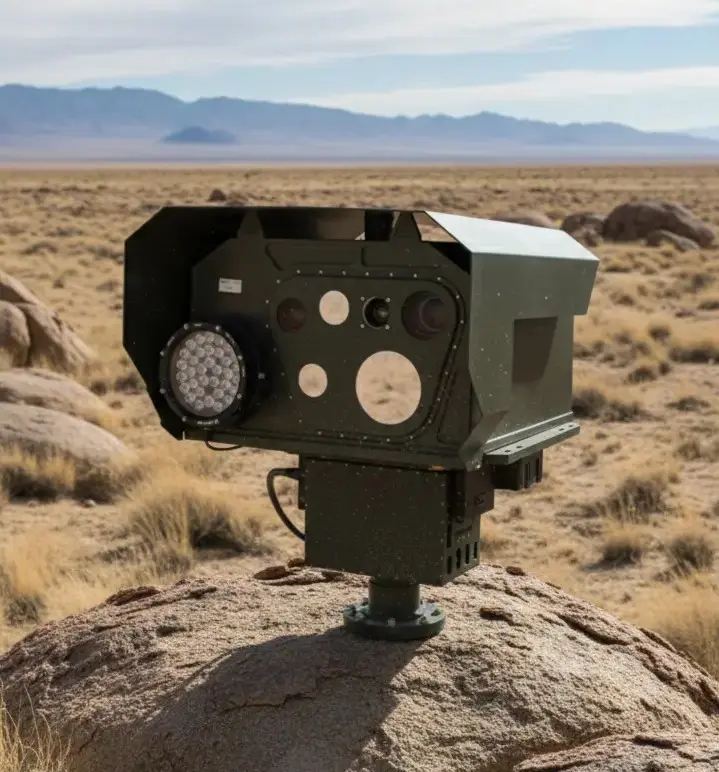
NOCTIS-V VNIR Low Light Imaging System — passive day and night surveillance
Home Defence & Surveillance NOCTIS-V
Noctis™ Series · 01 of 06

NOCTIS-V

VNIR Low Light Imaging System

"Colour and near-infrared. One sensor. No illuminator. Day and night."

400
– 1000 nm
VNIR spectral range
Low F
Number optics
Enhanced low-light sensitivity
Passive
Operation
No active IR illuminator required
GUI
Integrated
Lens + camera + interface
View Technical Specs
System Overview

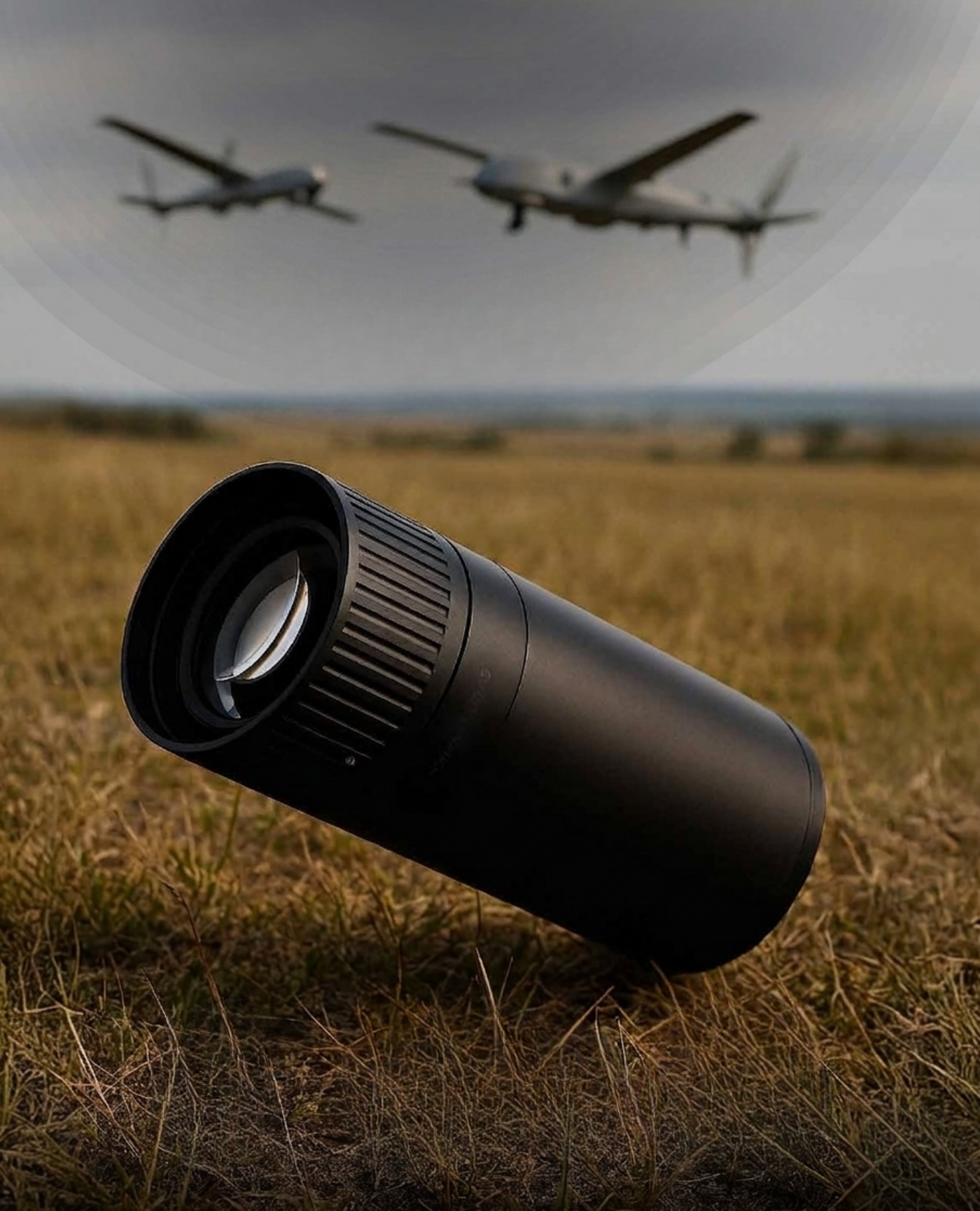
NOCTIS-V is a fixed focal length VNIR imaging system built for effective surveillance under low-light environmental conditions — without requiring any active illumination source. Covering the 400–1000 nm spectral band, NOCTIS-V captures both the visible colour spectrum and near-infrared wavelengths simultaneously on a single sensor.

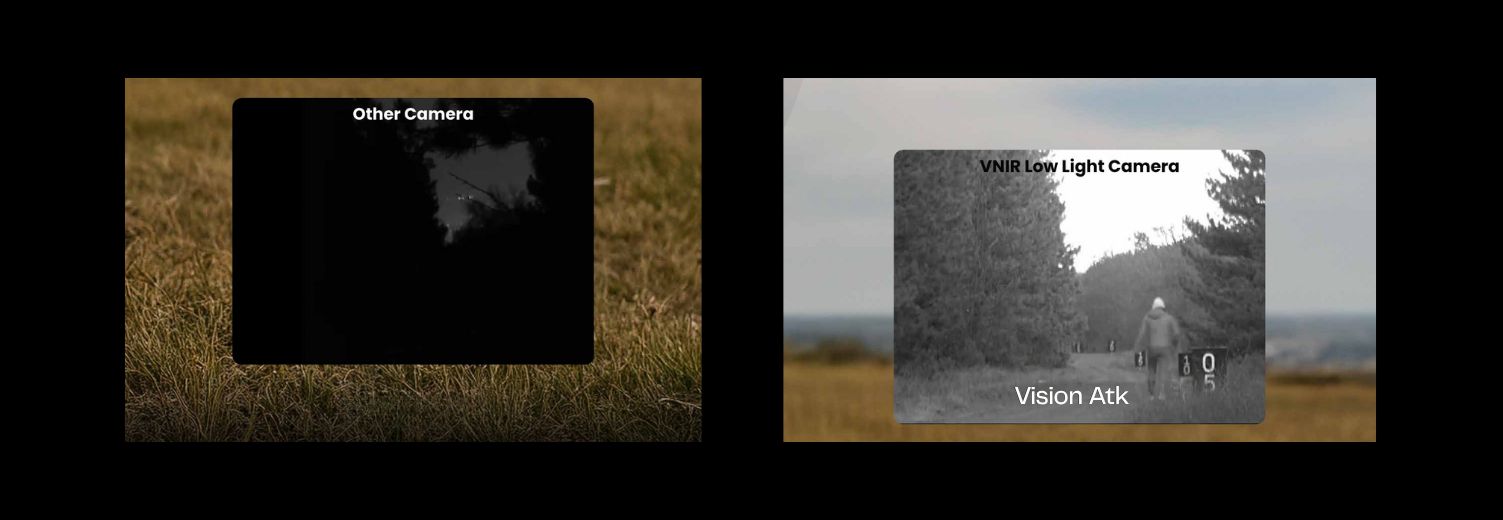
Near-infrared extends sensitivity far beyond what the human eye or a standard colour camera can achieve at dusk, dawn or under artificial lighting conditions. Where a conventional RGB camera loses contrast and detail as ambient light falls, NOCTIS-V maintains clear, high-resolution imagery — passively, with no IR illuminator that could compromise operational security.

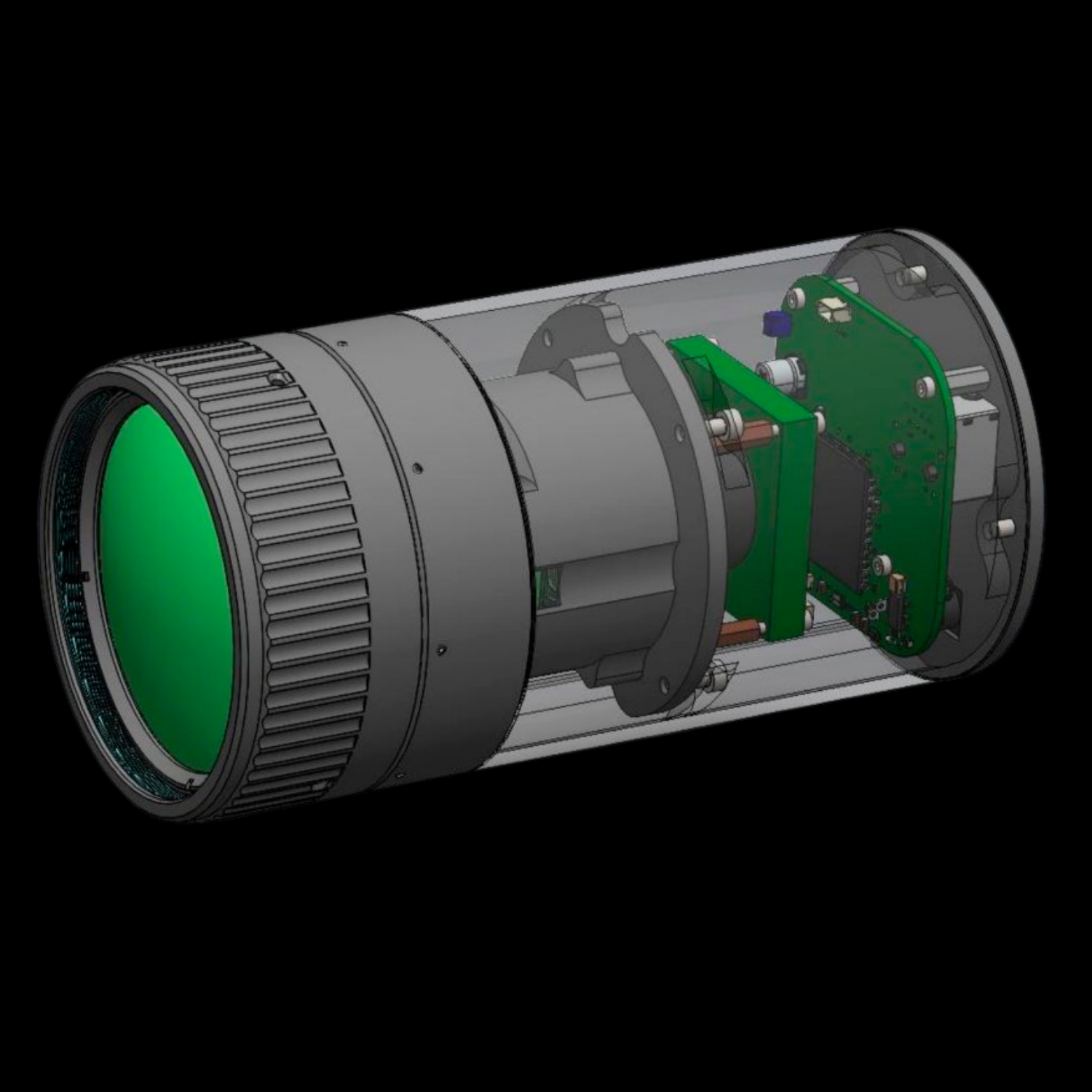
The system integrates lens, camera and GUI into a single operational unit — enabling fast deployment and straightforward operator control without complex multi-component configuration. Designed to withstand extreme environmental conditions with an integrated anti-fog mechanism for reliable performance in challenging field environments.

ISO 9001:2015
VNIR — 400 to 1000 nm
Fixed Focal Length
Motorised Iris
Passive — No Illuminator
Integrated GUI
Anti-Fog Mechanism
Day & Night Operation

What NOCTIS-V Sees — and When

The 400–1000 nm spectral range spans the entire visible spectrum and extends into near-infrared. Where visible light alone fades, NIR sensitivity sustains scene detail — from the moment ambient light begins to fall through to conditions where only artificial or ambient NIR illumination is present.

NOCTIS-V VNIR low light imaging — scene comparison day versus night NIR
400–700 nm Visible
700–1000 nm NIR
Simultaneous Capture

Engineering Data

Download Datasheet (PDF)
Parameter
Specification
Spectral Range
400 – 1000 nm (VNIR)Visible + Near-Infrared
Lens Type
Fixed focal length, motorised iris
Aperture
Low F-number — optimised for high sensitivity in low-light conditions
Iris Control
Motorised — remote or GUI-controlled aperture adjustment
Imaging Mode
Simultaneous visible + NIR capture on single sensor
Illumination
Passive — no active IR illuminator required
Parameter
Specification
Low-Light Performance
High sensitivity — effective imaging under minimal ambient illumination
Day Performance
Full colour visible imagery — high resolution daylight operation
Night Performance
NIR sensitivity extends effective operation into dusk, dawn and artificial lighting environments
Spectral Sensitivity
Continuous across 400–1000 nm — no spectral gap between visible and NIR bands
Image Output
Integrated camera with real-time GUI display
Parameter
Specification
Environmental Rating
Designed for extreme environmental conditions
Anti-Fog
Integrated anti-fog mechanism — maintains optical clarity in humid and temperature-variable environments
Construction
Ruggedised — built for defence and surveillance field deployment
Quality Standard
ISO 9001:2015 certified manufacture
Parameter
Specification
Control Interface
Integrated GUI — lens, camera and interface in single system
Integration
Seamless lens-camera-GUI integration for fast deployment and simplified operator training
Operator Interface
User-friendly Graphical User Interface — designed for efficient field operation
Iris Control
Remote motorised iris adjustment via GUI — adapts to changing ambient light without manual lens intervention
System Operation

How NOCTIS-V Delivers
Low-Light Imaging

VNIR imaging extends scene visibility beyond the limits of the human eye — without the operational compromise of active illumination.

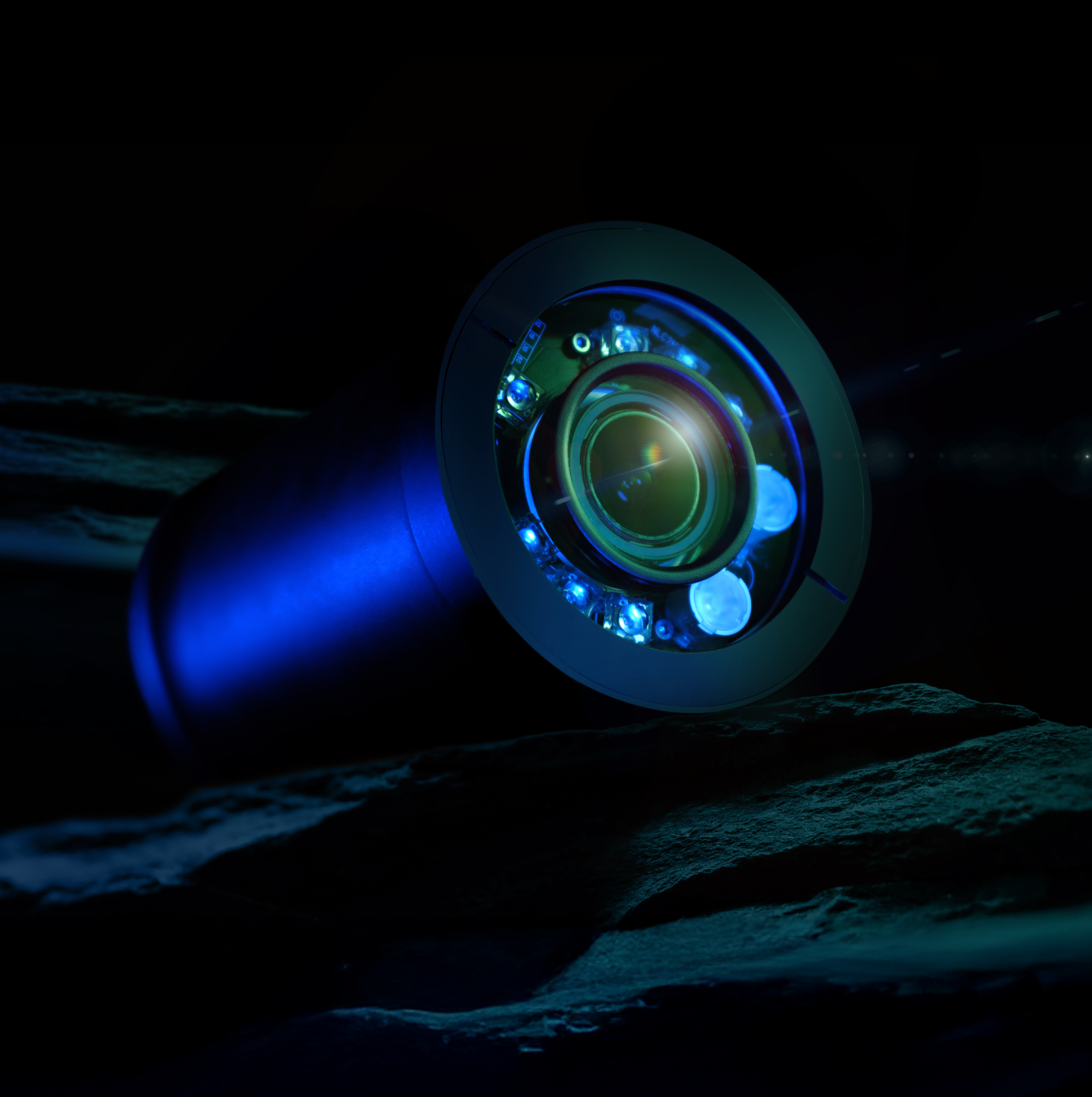
NOCTIS-V VNIR sensor — dual-band visible and near-infrared capture
400– 1000 nm
VNIRSingle Sensor
Step 01 · Spectral Capture

One Sensor.
Visible and NIR.
Simultaneously.

The NOCTIS-V sensor is sensitive across the full 400–1000 nm band. As ambient visible light diminishes at dusk or under overcast conditions, the system draws on the near-infrared portion of the spectrum to maintain scene detail and contrast — automatically, with no mode change.

Why NIR Makes the Difference
NIR wavelengths (700–1000 nm) penetrate haze more effectively and are less affected by atmospheric scatter than visible light.
Vegetation, materials and surfaces that appear uniform in visible light show distinct tonal contrast in near-infrared.
Continuous 400–1000 nm coverage — no spectral gap, no mode switch, no second sensor required.
400–1000 nm continuous spectral coverage
Simultaneous visible colour and NIR on a single sensor
No mode switching — seamless day-to-dusk transition
Motorised iris control — NOCTIS-V adapts to changing light
MotorIris Control
GUIRemote Operation
Step 02 · Adaptive Optics

Motorised Iris.
Full Day–Night
Range.

The low F-number lens is paired with a motorised iris that adapts exposure as ambient light levels change — from full daylight through dusk to starlight. No manual intervention at the lens, ever. The operator adjusts remotely via GUI.

Remote motorised iris — GUI-controlled aperture adjustment
Low F-number optics — maximised sensitivity at minimal light
24-hour cycle covered without hardware change or site access
No reconfiguration between day and night operation
NOCTIS-V passive operation — no IR illuminator, no active emission
PassiveNo Emission
CovertZero IR Signature
Step 03 · Passive Operation

No Illuminator.
No Signature.
No Compromise.

Active IR illuminators extend night-vision range but emit radiation detectable by adversarial equipment — revealing position. NOCTIS-V operates entirely passively: moonlight, starlight and ambient artificial lighting provide the NIR energy the sensor requires. Nothing is emitted.

Integrated System — One Unit
01
Lens, camera and GUI are integrated into a single operational system — fast deployment, simplified training, no multi-component configuration.
02
Anti-fog mechanism maintains optical clarity in humid, cold and thermally variable field environments.
03
Extreme environment construction — ruggedised for defence and surveillance field deployment conditions.
Fully passive — no active IR emitter, no detectable signature
Anti-fog mechanism for reliable operation in harsh conditions
Integrated lens-camera-GUI — single unit, operator-ready

VNIR vs. Standard RGB — Why Near-Infrared Changes the Picture

A standard colour camera captures 400–700 nm. NOCTIS-V extends that range to 1000 nm — and the difference in operational performance is significant.

NOCTIS-V — VNIR 400–1000 nm
  • Effective imaging from daylight through to dusk and artificial lighting conditions
  • NIR sensitivity — vegetation, materials and surfaces distinguished beyond visual range
  • Better contrast through light haze and fog conditions vs visible-only
  • Passive operation — no active illuminator, no detectable IR emission
  • Single sensor — simultaneous colour and NIR, no switching
  • Motorised iris — adapts to the full day/night illumination cycle remotely
  • Limited in complete darkness without ambient NIR — LWIR recommended for total darkness
Standard RGB Camera — 400–700 nm
  • High-resolution colour imagery in daylight
  • Contrast and detail degrade rapidly at dusk
  • No NIR sensitivity — cannot exploit ambient near-infrared
  • Requires active IR illuminator for night operation
  • Active illuminator detectable by adversarial NV equipment
  • Reduced haze penetration vs NIR wavelengths

Where NOCTIS-V Operates

Passive day-night VNIR imaging is suited to any fixed surveillance post where operational security rules out active illumination — and where consistent 24-hour image quality is required.

Fixed Perimeter & Observation Posts

Mast or tower-mounted surveillance systems where 24-hour coverage is required and illuminator deployment would compromise operational security or draw adversarial attention.

Passive 24/7 operationRemote iris control via GUI

Border & Perimeter Monitoring

Long-duration border observation where illuminator-free operation reduces cost, eliminates maintenance requirements and ensures no active signature is present on the monitored line.

Extended operationNo illuminator maintenance

Force Protection & FOB Surveillance

Forward operating base and camp perimeter coverage — covert passive imaging that does not reveal post location or alert adversaries to observation capability.

Low signature operationCovert surveillance

Critical Infrastructure Protection

Energy, transport and government site perimeter surveillance where continuous day-night monitoring is required without the visual intrusion or operating cost of active illuminators.

24-hour passiveIntegrated GUI control

Passive Day-Night Imaging.
No Compromise.

Tell us your operational scenario, mounting requirements and coverage area — our engineers will confirm whether NOCTIS-V is the right sensor for your programme and advise on integration options.

Vision ATK Assistant

Hello! Ask me about NOCTIS-V or any of our defence imaging systems.